
ARTICLE
Why We React Before
We Think
What happens when the body responds before the mind has time to catch up.
By Emily Belsito, PhD
Licensed Professional Counselor
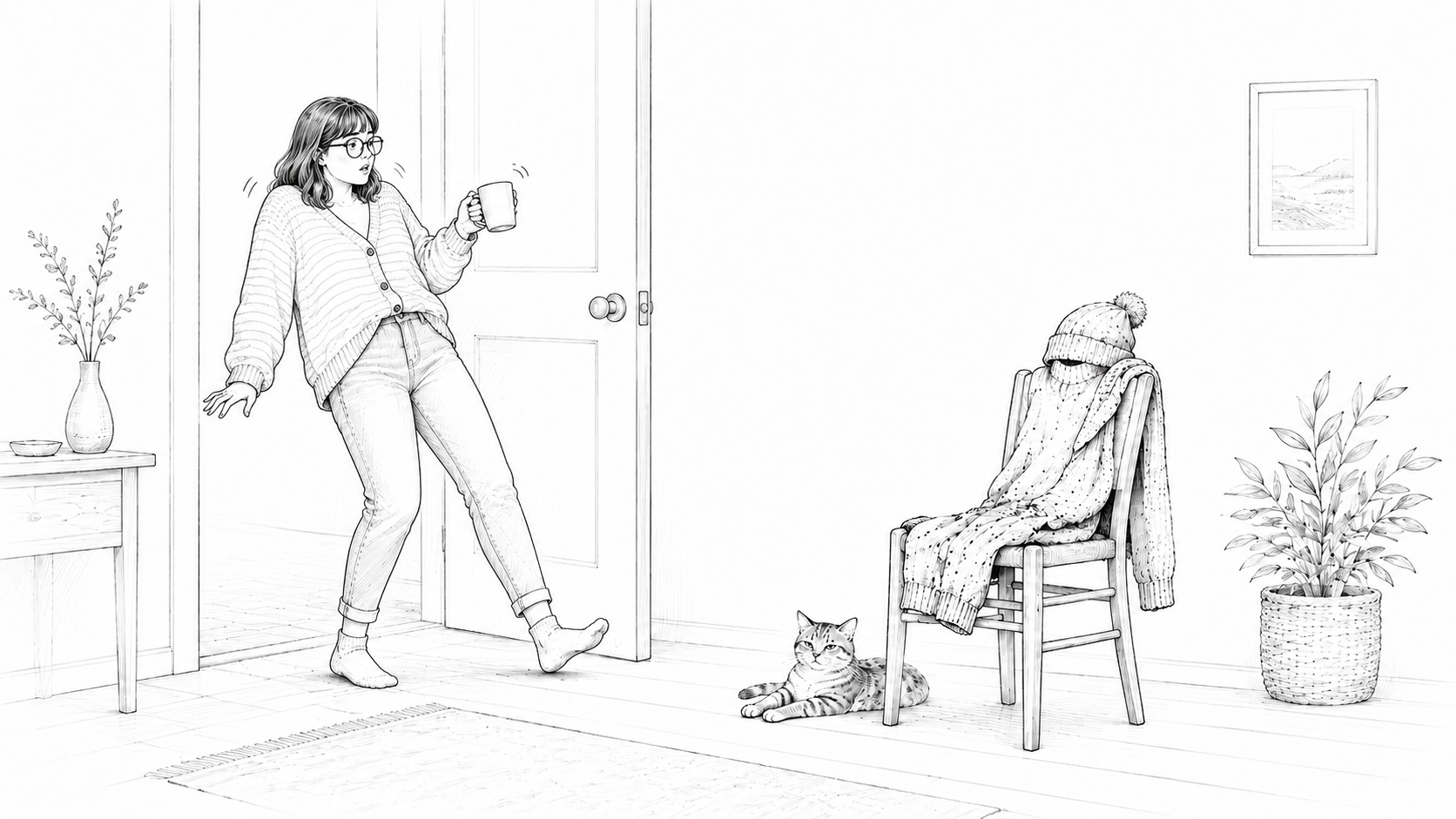
A tone changes. A message goes unanswered. Someone asks a question that sounds sharper than expected. Before you have decided what the moment means—or how you want to respond—your body has already moved. Your chest tightens. Your attention locks onto one detail. You begin explaining, defending, withdrawing, or preparing for conflict. Later, you can see other ways you might have responded. In the moment, those options did not feel available.
You may find yourself asking: Why do I react before I think when I know how I would rather respond?
Emotion Reflex Therapy (ERT) begins with another question: What had already started to organize before deliberate thought caught up?
The Reaction Often Starts Earlier Than It Looks
We often judge a reaction by its most visible point: the raised voice, the message sent too quickly, the conversation avoided, or the reassurance requested again. But those behaviors usually arrive late in a sequence. An Emotion Reflex begins when something becomes significant to the nervous system. That significance might involve possible rejection, criticism, uncertainty, exposure, or disconnection. You don't need to form a complete thought first. The body and attention can begin preparing while the mind is still trying to understand what happened.
Imagine that your partner becomes quiet during a conversation. The silence could mean many things. They may be tired, distracted, or unsure what to say. Yet if silence has often preceded rejection or conflict in your experience, your nervous system may register it quickly. Attention narrows. You search their face. A familiar explanation can quickly feel like the only one: “Something is wrong” or “They are pulling away.”
From there, you may press for an answer, explain yourself, go silent first, or prepare to be hurt. Waiting, staying curious, or considering another explanation becomes harder to reach. If the familiar response lowers pressure, restores control, or ends uncertainty, the nervous system can become more prepared to find that pathway again.
This also helps explain why knowing better does not always change what happens in the moment. After the moment has passed, you may understand the pattern. You may know that pressing for reassurance increases tension, defensiveness makes listening harder, or withdrawal leaves the conversation unfinished. That insight matters, but insight is not always the same as access.
When the reflex gathers force, a preferred response can remain present as knowledge without remaining reachable as action. The most useful point of influence may come earlier—at the first tightening, shift in attention, sudden certainty, or urge pulling the sequence in a familiar direction.
A Strong Reaction Can Be Meaningful Without Being Fully Accurate
Emotional intensity can feel like proof: the silence must mean rejection, the question must be criticism, or the delay must mean something is wrong. ERT treats that reaction as meaningful information, not automatic confirmation. It may reflect something in the present while also carrying earlier learning, stress, fatigue, or relationship history.
You don't have to obey the reaction or dismiss it as irrational. You can ask: What did my nervous system register as significant? What did it prepare me to do? What became harder to see?
Understanding Is Not an Excuse
Calling a response reflexive does not excuse harmful behavior or remove responsibility. A sharp comment can still hurt someone. Avoidance, withdrawal, escalation, or control can still carry consequences.
Understanding the sequence makes responsibility more precise. It helps you move beyond self-criticism, identify where influence becomes possible, repair impact, and practice making another response available earlier. That is accountability aimed at where change can actually occur.
Finding an Earlier Opening
You don't have to stop the entire Emotion Reflex reaction to begin working with it. A smaller goal is to recognize the sequence a little earlier and preserve one additional option.
Notice the First Shift and Its Direction
After a familiar reaction, look beyond the final behavior. What changed first in your breath, jaw, posture, voice, stomach, or attention? Then ask where the reaction was moving you: toward the other person, away from them, against something, inward, or into stillness.
You may notice an urge to pursue, defend, disappear, fix, control, or end the discomfort quickly. Recognizing that direction helps you see what your nervous system is preparing before the action feels automatic.
Ask What Became Harder to Access
When the reaction intensified, what moved out of reach? Perhaps it was patience, speech, warmth, curiosity, listening, or the ability to wait.
This shifts the focus from “What is wrong with me?” to “What became harder for me to reach?” The goal is not perfect calm, but enough access to ask one question, delay one message, or avoid forcing an immediate answer.
Use One Sentence to Create a Little Space
Try a brief orienting sentence such as, “I can feel myself moving to protect something important,” or, “This feels certain, but I may not have the whole picture yet.”
The sentence is not meant to talk you out of the reaction. It acknowledges what is happening while leaving room for more than one interpretation or response.
How Emotion Reflex Therapy Can Help
In therapy, the work goes beyond identifying triggers or learning what you should do instead. ERT helps map what the nervous system registers, how the body and attention shift, what becomes harder to reach, and how the sequence finds relief or completion.
Therapy can help you adjust conditions that keep narrowing your options and build lived experiences of different endings. The goal is not perfect control, but greater flexibility while the pattern is active.
More Than One Response Can Become Possible
Reacting before you think does not mean you are broken, and it doesn't mean your actions don't matter. It means the reaction may begin earlier than the moment you usually judge. Once you can see the sequence, you have more places to work with it.
Change can begin by learning where the pattern gathers force—and helping one more possibility remain within reach.